


Instacart: Get Food Delivery
4.7141.08K Reviews
App Specs
- Version
- 9.24.1
- Updated On
- License
- Free
- Downloads
- 10,000,000+
- Developer
- Instacart
- Categories
- Food & Drink
- Platform
- Android
Screenshots

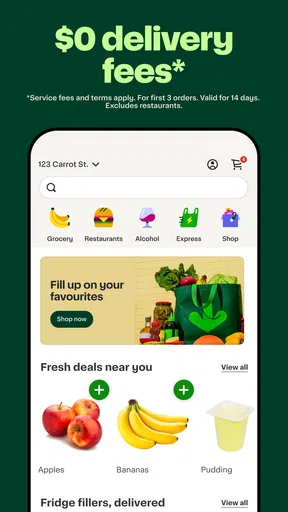
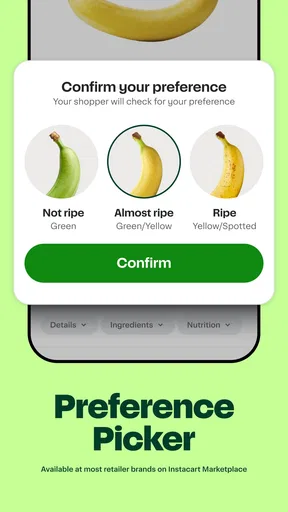
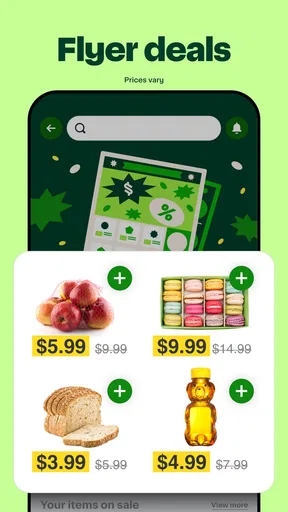
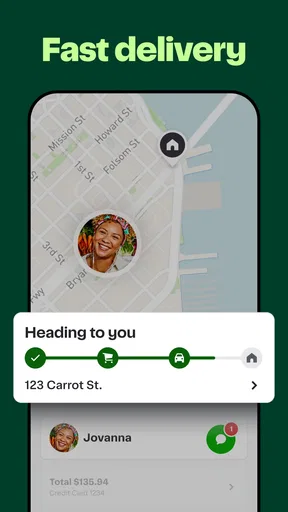
 Analysis by AppCompare
I usually judge a grocery-delivery app by what happens after the first convenient order: does it still help once the novelty wears off, or does it become another task to manage? Instacart: Get Food Delivery is most useful when it fits into a routine—replenishing the things I run out of, planning around a busy day, or avoiding an unnecessary trip. It is a free Food & Drink app from Instacart, and its appeal is straightforward: shop across grocery and retail brands from a phone and have an order brought to your door.
What the first few orders feel like
At first, the main draw is the range of choice. Instead of building a basket around one store visit, I can browse items from different retailers available through the app and compare what suits the meal or errand I have in mind. The service spans more than 1,800 grocery and retail store brands, so it can be useful for ordinary staples as well as items I might otherwise need to seek out separately. Availability and selection depend on what is offered in my area, so I would check the actual local options before planning a whole week around a particular product.
The search-and-browse approach works best when I know roughly what I need. For a quick top-up, searching for a few essentials is less effort than walking through a store; for a larger shop, categories and saved lists make it easier to build a basket without starting from scratch. I would still review the choices carefully. A search result can surface alternatives that look similar, and package size, brand, or variety can matter more than the thumbnail suggests.
Why Instacart is a Game Changer
The beauty of Instacart: Get Food Delivery is in its simplicity and convenience. You can order groceries from your favorite stores, and within hours, they’re at your doorstep. It’s like having a personal shopper who actually understands your needs. The app connects you with local grocery stores, making it an excellent choice for fresh produce, pantry staples, and even those niche items you can't find anywhere else.
User Experience: Smooth and Intuitive
The app's interface is clean and user-friendly. Even if you’re not a tech-savvy person, navigating through Instacart is a breeze. You can browse by category, search for specific items, or discover new products through curated collections. The search function is particularly robust, ensuring you find what you need in no time.
One of the standout features is the ability to save your shopping lists. This means that your weekly essentials are just a tap away, making your future shopping sessions even faster. Plus, who doesn’t love saving time?
Making a list work harder
I find saved lists more valuable when I treat them as a starting point rather than an automatic repeat order. A household’s needs change: one week might call for extra breakfast items, another for ingredients to cook for guests. Keeping a core list of recurring staples, then checking quantities before adding everything, helps prevent duplicates and waste. It also makes the app useful for people who share meal planning or shopping responsibilities, because a familiar list is easier to review than a basket assembled in a hurry.
Worth Reading Before You Choose

Flipboard Shows What News Apps Must Do Beyond the Feed

Switching to Android Auto Means Rethinking Your Driving Routine

Google Calendar Makes a Crowded Week Easier to Manage

Ludo King Makes the Most of the Minutes Between Plans

Baby Panda World Brings Quick Play to Modern Phones, but Its Game Library Feels Busy

ESPN’s Live Game View Makes Following Close Games Easier
A practical routine is to make the list when I notice something running low, then check it before placing an order. That separates remembering from buying: I can add an item while I’m in the kitchen but wait until I have enough needs to make delivery worthwhile. This is a small habit, but it can make the difference between using the app as a considered convenience and placing scattered, inefficient orders.
Delivery: Fast and Reliable
When it comes to delivery, Instacart shines. You can choose your delivery window, and the app keeps you updated every step of the way. It’s reassuring to get notifications about your order status, from when the shopping starts to when it’s en route to you. And let’s not forget the joy of tracking your delivery in real-time, knowing exactly when your groceries will arrive.
A realistic weeknight use
Imagine getting home late and realizing you have the basics for dinner but are missing one ingredient, along with breakfast supplies for the next morning. I would use the app to check which nearby store can cover the missing item and the essentials together, choose a delivery time that does not clash with another commitment, and stay available to respond if a shopper asks about a substitution. That last part matters: delivery is convenient, but it is not entirely hands-off when a requested product is unavailable.
For produce or a specific brand, I would be ready to make a quick choice rather than assume every item can be matched exactly. If a replacement changes the recipe or dietary needs, declining it may be better than accepting a close-looking substitute. For flexible pantry goods, a reasonable alternative can save the order. Thinking through those preferences before checkout reduces last-minute decisions and helps the shopper make choices that suit the household.
Selection and Pricing
Instacart offers a wide selection of items from multiple stores, giving you access to thousands of products. Whether you’re looking for organic produce or your favorite brand of ice cream, Instacart probably has it. Prices are generally in line with what you’d pay in-store, though there might be slight markups for the convenience factor.
The app also frequently offers promotions and discounts, which can be a nice bonus. Plus, if you’re a frequent user, their Express membership, which offers free delivery on orders over a certain amount, might be worth considering.
How it compares with other ways to shop
Against a regular supermarket trip, the clearest trade-off is time and control. I save travel and aisle time, but I give up choosing each item in person and need to account for substitutions, delivery timing, and the possibility that a product is unavailable. For a small basket I can pick up on the way home, going to the store may be simpler. For a larger planned shop, home delivery can be a genuine relief, especially when carrying bags or coordinating errands is difficult.
Compared with ordering from a single retailer, browsing multiple store brands can widen the options, but it also asks me to pay attention to which store I am shopping from and whether the resulting basket makes sense. I would compare the final total and delivery details before committing rather than assume that a convenient selection is automatically the cheapest one. If saving every possible dollar is the priority, checking a store’s own ordering option or shopping in person may be a better fit.
Keeping the convenience from turning into clutter
The main maintenance burden is not learning the interface; it is keeping the shopping habit intentional. Saved lists need occasional editing, and a basket assembled from memory can include items already in the cupboard. I get more lasting value by checking the pantry and fridge first, grouping items around meals or necessities, and ordering when the basket is useful as a whole. That approach also helps avoid treating delivery as a solution for every forgotten item.
There is a second kind of maintenance: being reachable during the shopping process. If I am unable to look at the phone when a question comes up, a substitution may not match what I wanted. Before ordering, I would set clear preferences where the app allows and avoid placing an order that depends on a very particular item when I know I cannot respond. For a routine shop of flexible goods, this is less of a concern; for a recipe with one essential ingredient, it matters more.
Who gets lasting value—and who may not
This app makes the most sense for people whose time, mobility, schedule, or household workload makes a store run inconvenient. Parents juggling several tasks, people managing a full week of meals, and anyone who would rather combine grocery needs into a planned delivery can find a repeatable use for it. Its Everyone content rating makes it suitable for a broad audience, though the real question is whether delivery fits a person’s local choices and shopping budget.
I would be less enthusiastic if I lived close to a store, enjoy choosing produce myself, or buy only one or two items at a time. The extra planning and the need to check substitutions can outweigh the convenience in those cases. It may also frustrate shoppers who need a very specific product and cannot accept a replacement. For that kind of shop, a direct visit or a retailer’s own ordering service can offer more certainty.
The Personal Touch
One thing that sets Instacart: Get Food Delivery apart is the personal touch. Shoppers communicate with you through the app, allowing you to approve substitutions or add last-minute items. It’s like having a friend do your grocery run and checking in to make sure everything’s just right.
That communication is a real advantage when I can answer promptly, but it is also a reminder that the order involves human decisions rather than a perfectly predictable conveyor belt. A message may arrive while I am working, driving, or putting dinner together. I would not count on adding a forgotten item at the last second every time; it is safer to make the list carefully before checkout and treat any later change as a possibility, not a guarantee.
Reputation, upkeep, and the version to expect
The app has been available since May 1, 2014, and has grown to more than 10 million installs. Its average rating is 4.1 from around 309,000 ratings, alongside about 137,000 written reviews. Those numbers suggest a widely used service with plenty of feedback, but they do not tell me whether a particular store, delivery window, or shopping experience in my neighborhood will be equally smooth. Local availability and how carefully I manage substitutions are more relevant to my own decision.
It is free to download, and version 8.97.3 supports devices running Android 7.0 or later. I would keep the app updated so I am using its current release, but I would not expect a newer version by itself to solve the everyday trade-offs: product availability, price comparisons, timing, and how much attention I can give order messages. The lasting benefit comes from fitting the service to a real routine, not from installing it and expecting every grocery task to become effortless.
The long-term verdict
In conclusion, Instacart is a fantastic app for anyone looking to save time on grocery shopping without sacrificing quality or selection. It’s perfect for busy individuals, parents, or anyone who just values the convenience of having groceries delivered right to their door. So next time you’re in need of a grocery run, consider giving Instacart a whirl. It might just change the way you shop.
My more measured view is that it earns a lasting place when I use it for planned, substantial shops and keep the list tidy. It is not a universal replacement for walking into a store: selecting delicate produce myself, chasing a single urgent item, or comparing every price may be easier another way. But when the alternative is postponing a full grocery run or spending time I do not have, the convenience can be worth it. I would try it with a normal, flexible basket first, learn how local availability and communication suit me, and then decide whether it deserves a regular spot in my routine.
Pros
- User-friendly interface for quick navigation.
- Wide selection of grocery stores available.
- Real-time updates on order status.
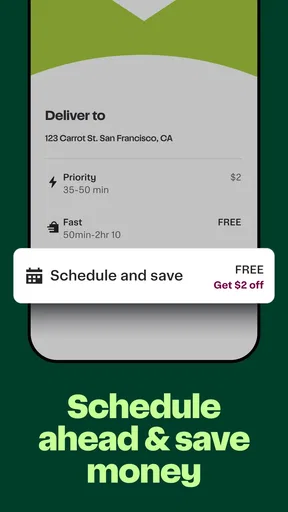
- Option to schedule deliveries in advance.
- Contactless delivery for safety.
Cons
- Service fees can be high.
- Occasional item substitutions without notice.
- Limited delivery areas in some regions.
- Price discrepancies between app and store.
- Inconsistencies in delivery times.
FAQs for Instacart: Get Food Delivery
What is Instacart and how does it work?
Instacart is a convenient app that allows users to order groceries and household essentials online. You can browse products from your favorite local stores, add them to your cart, and have them delivered to your doorstep. The app connects you with personal shoppers who pick and deliver your items, often on the same day.
Is Instacart available in my area?
Instacart operates in many cities across the United States and Canada. To check availability, you can visit their website or enter your ZIP code in the app. This will show you the participating stores and services available in your location, ensuring you can use Instacart effectively.
What are the delivery fees associated with Instacart?
Instacart charges a delivery fee based on your order size and delivery time. Fees can range from $3.99 to $9.99 for non-members. Instacart Express members can enjoy free delivery on orders over a certain amount. Keep an eye out for promotions that might offer reduced or waived fees.
Can I schedule a delivery for a specific time with Instacart?
Yes, Instacart allows you to schedule deliveries at a time that's convenient for you. During checkout, you can choose from available delivery windows, including same-day delivery options. This flexibility ensures that your groceries arrive at a time that suits your schedule.
How does Instacart handle out-of-stock items?
If an item is out of stock, Instacart shoppers will attempt to contact you for a suitable replacement. You can set preferences for replacements in the app, or choose to be notified for every substitution. This ensures you receive the closest alternative to your desired product.


